CivicAPR 8, 2024
Interior Inspirations For Every Stylish Home: Design Tips & Ideas

 Insights, Ideas, and Inspiration

Sustainability in interior design has evolved from a niche concern to a mainstream priority. Today's eco-conscious designs prove that environmental responsibility and stunning aesthetics can coexist beautifully. Discover how sustainable practices are reshaping the way we think about and create our living spaces.
One of the most impactful sustainable design choices is incorporating reclaimed and recycled materials. Reclaimed wood brings character and history to floors, walls, and furniture, while recycled glass and metal find new life in countertops and decorative elements. These materials not only reduce environmental impact but also add unique texture and story to your space. Each piece carries its own history, making your interior truly one-of-a-kind.
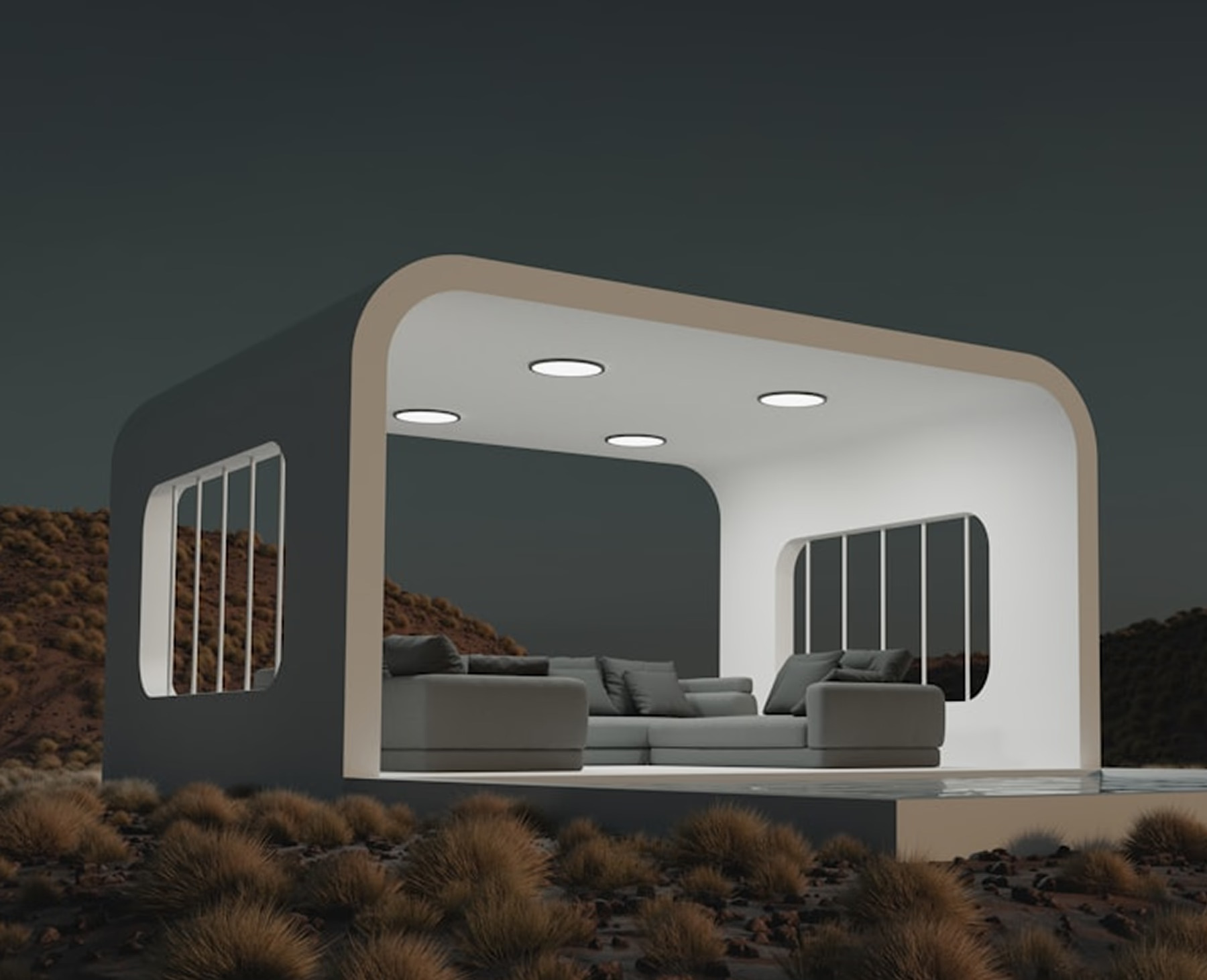
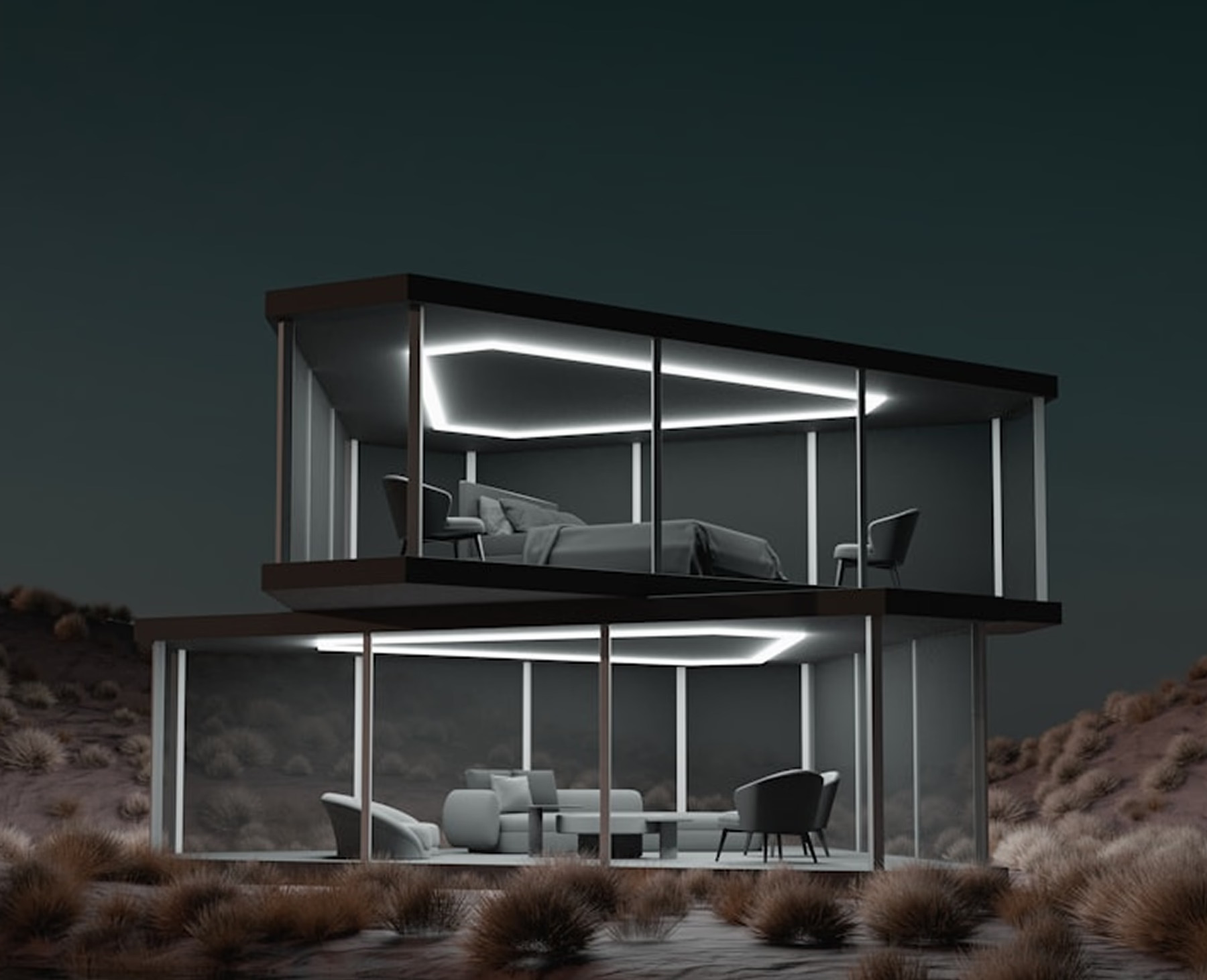
Sustainable interiors go beyond material choices to encompass energy efficiency. Maximize natural light through strategic window placement and reflective surfaces. Choose LED lighting and smart systems that reduce energy consumption. Consider thermal mass materials that naturally regulate temperature, reducing heating and cooling needs. These strategies benefit both the environment and your utility bills.
Perhaps the most sustainable choice is designing for longevity rather than following fleeting trends. Invest in quality pieces that will last decades, choose timeless designs over momentary fads, and select durable materials that age gracefully. This approach reduces waste, saves money in the long run, and creates spaces with enduring appeal.